
-
Email:zhao@hyliec.cn
-
Tel:+86 311 85273988
-
WhatsAPP:8613931128750

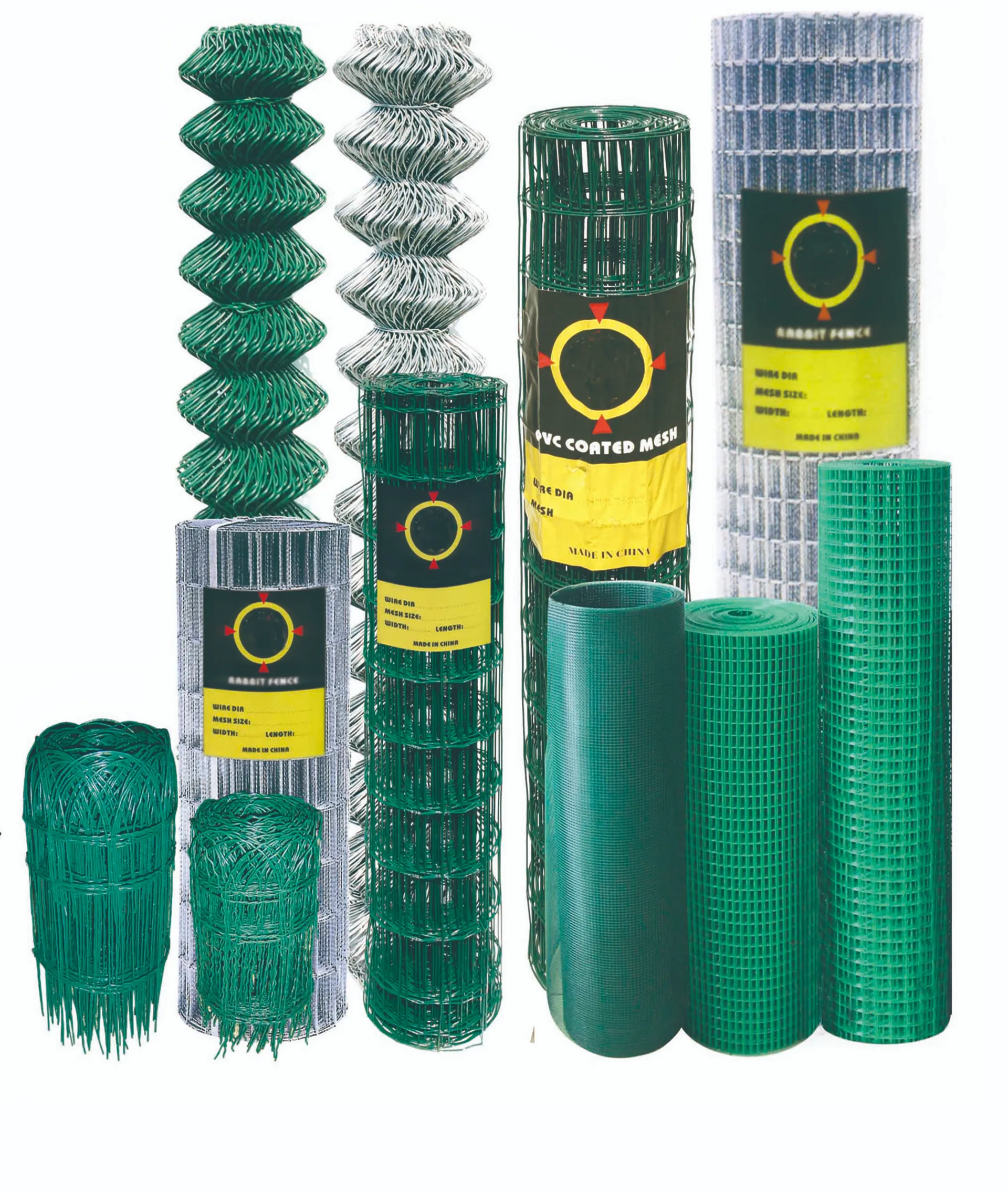
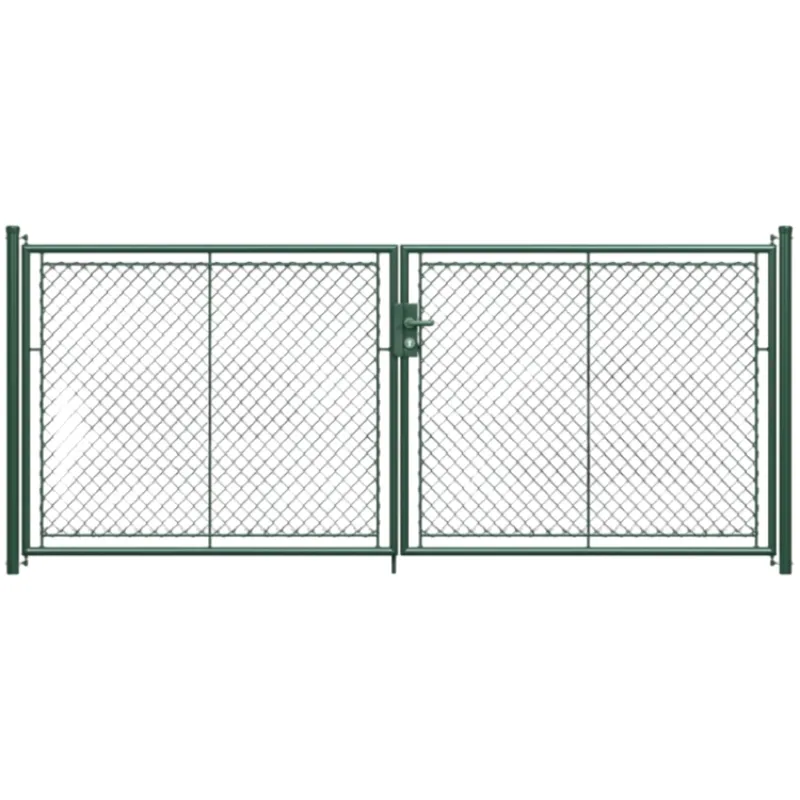
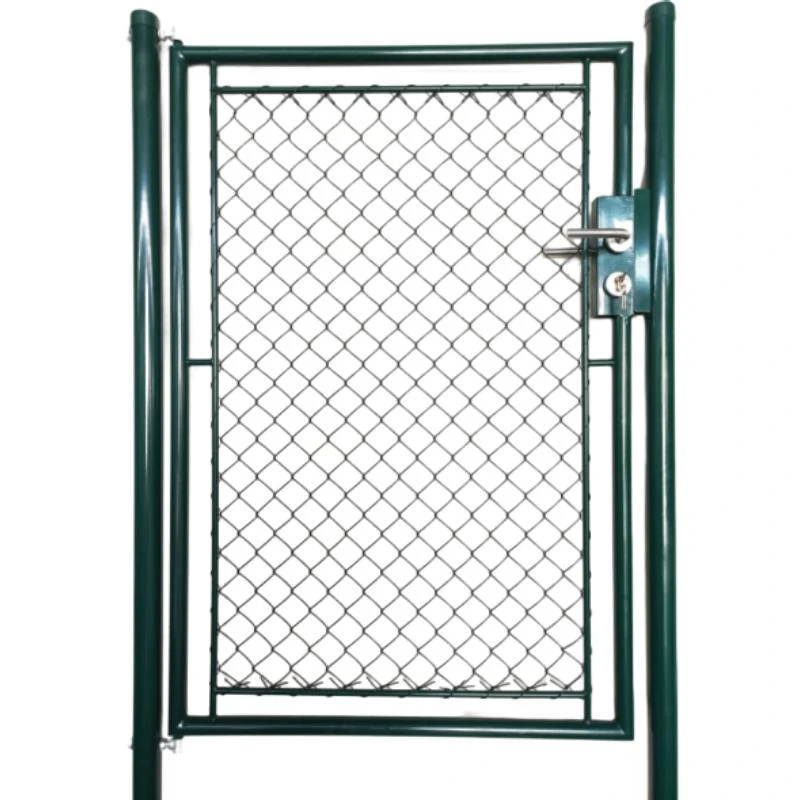
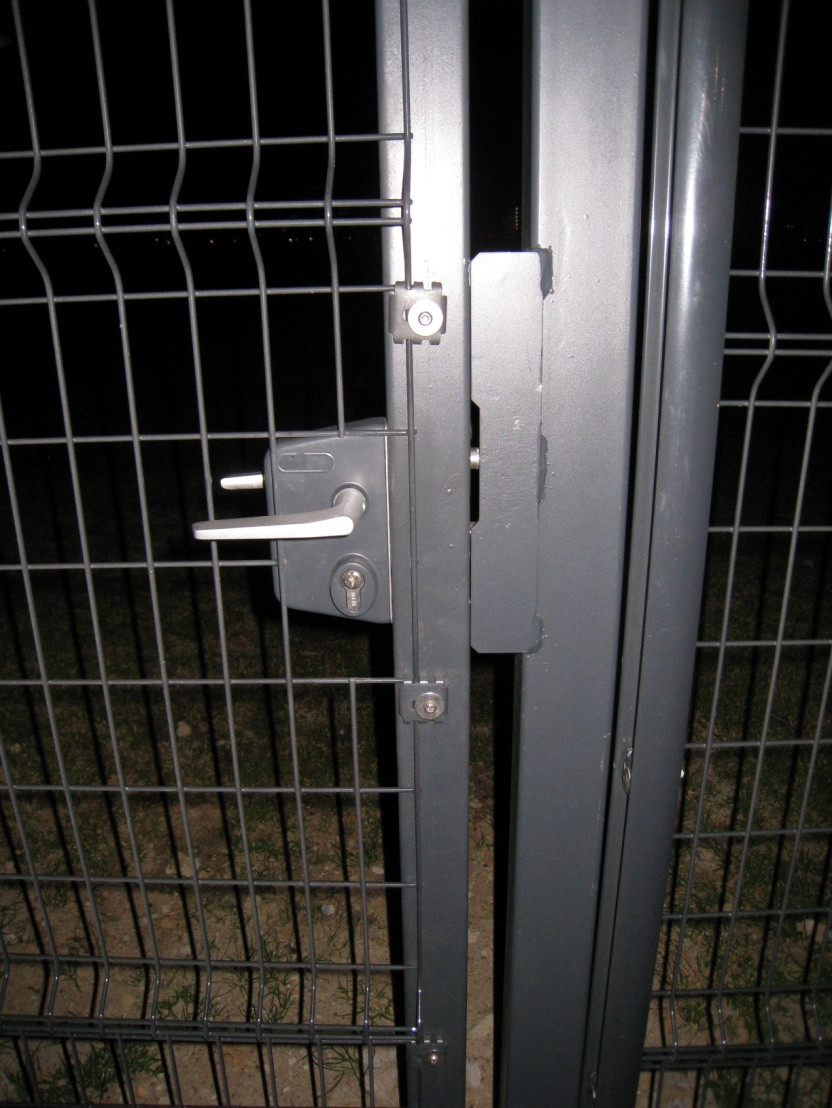
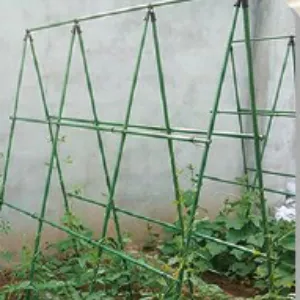
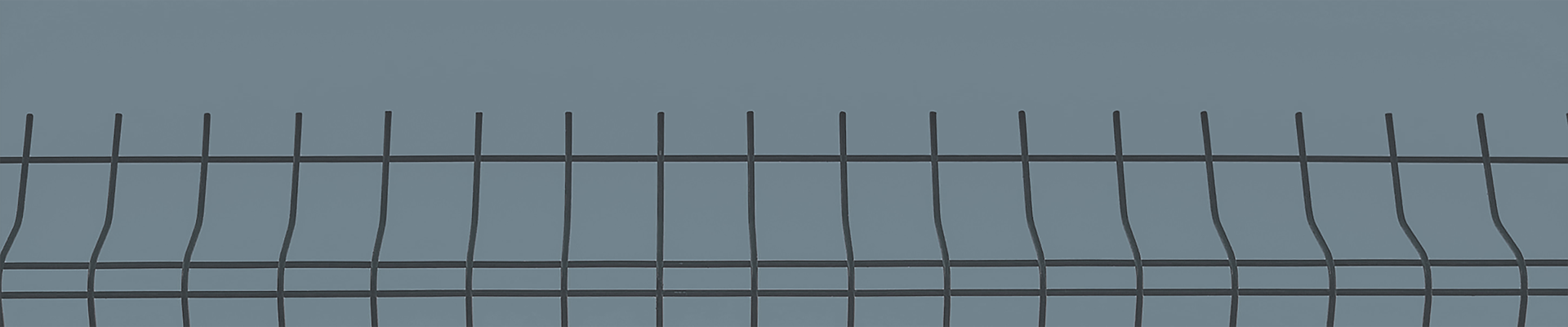
/Understanding Field Fence Cost Per Foot A Comprehensive Guide When it comes to agricultural and residential properties, installing a fence around your field is often a necessary investment. Whether you need to contain livestock, protect crops from wildlife, or simply mark property boundaries, understanding the cost of field fencing per foot is crucial. This article will delve into various factors that influence fencing costs, types of materials, and how to budget for your fencing project. Factors Influencing Field Fence Cost 1. Material Choice The type of material you choose for your fence will heavily impact the overall cost per foot. Common materials include - Barbed Wire Barbed wire is one of the most economical fencing options, typically costing between $0.10 and $0.30 per foot. It is durable and effective for keeping livestock in and predators out. - Wooden Fencing A more traditional choice, wooden fencing can range from $1 to $3 per foot, depending on wood type and treatment. Cedar or redwood will generally be more expensive than pressure-treated pine. - Vinyl Fencing Known for its aesthetics and low maintenance, vinyl fencing ranges from $4 to $10 per foot. While it's a higher initial investment, its long lifespan can make it more economical over time. - Chain Link This option is often used for security purposes and usually costs between $1.50 and $3.50 per foot. It's durable and requires minimal maintenance. 2. Height of Fence The height of the fence can also affect the cost. Taller fences typically use more materials and therefore cost more. A standard height for livestock fencing is usually around 4 to 5 feet, while deer fencing may need to be 8 feet or taller to prevent animals from jumping over. 3. Installation Costs Labor costs can vary widely depending on your location and the complexity of the installation. Hiring a professional can add $1 to $5 per foot to your overall expenses. If you are handy and choose to install the fence yourself, you can save significantly on labor costs. 4. Terrain and Accessibility The geographical characteristics of your land play a crucial role in the cost. Uneven or rocky terrain can make installation challenging and time-consuming, potentially driving up labor costs. Additionally, if the site is hard to access with heavy machinery, this may also lead to higher costs. 5. Permitting and Zoning Before you begin your project, it’s essential to check local regulations regarding fencing. Some areas may require permits or adherence to specific zoning laws, which can incur additional costs. field fence cost per foot Budgeting for Your Fencing Project To create an effective budget for your field fencing project, follow these steps 1. Determine the Length of the Fence Measure the area that needs fencing and calculate the total linear feet required. 2. Choose Your Material Based on your needs (aesthetic vs. functional), select the type of fencing material that best meets your requirements. 3. Calculate Material Costs Multiply the cost per foot of your selected material by the total length of the fence. Don’t forget to add extra for gates and any additional features. 4. Estimate Installation Costs If you're hiring professionals, obtain quotes from several contractors to get a competitive price. If you’re DIY-ing, factor in any tools or equipment you may need to rent or purchase. 5. Include Contingency Funds It’s wise to set aside an additional 10-20% of your total budget for unexpected expenses, such as changes in materials or unforeseen labor costs. 6. Review Grant Opportunities In some regions, there are grants or financial assistance programs available for farmers and landowners to help offset costs related to fencing, particularly for livestock. Conclusion Understanding field fence cost per foot is vital for any property owner looking to enhance their land's functionality and security. By considering the material, height, installation, terrain, and local regulations, you can create a well-informed budget that meets your fencing needs. Investing in the right fencing will not only protect your assets but also contribute to the long-term safety and efficiency of your property. Whether you DIY or hire professionals, planning ahead will ensure a smooth and successful fencing project.

-
 Rich export experienceRich experience for fencing production and export to North of America, Europe, South of America, and South of Africa more than 20 years.
 -
Complete product systemThe Maintenance free coatings coupled with a durable design offer owners and developers a products that can match all project requirements for safety
-
High-quality productsHigh quality control and specialist team for production process, inspection, packaging, QC Etc. to meet customer requirements.
-
Excellent serviceProvide professional technical support to customers, High quality after- sales support ensures that customers have no worries at all.
-
 Creating the Perfect Handle for a Stylish Gate Door DesignThe Importance of Gate Door Handles A Detailed Perspective Gate doors play a crucial role in the sec2026-04-04 17:04
 -
 Durable 4 Feet Tall Chain Link Fencing for Various Applications and Security NeedsThe Benefits and Versatility of 4% Chain Link Fences When it comes to choosing the right fencing for2026-04-04 16:51
 -
 Durable 5mm Chicken Wire for Secure Fencing and Garden Protection Solutions5mm chicken wire .2026-04-04 16:50
 -
 Durable 7 Foot Steel T-Posts for Fencing and Various Agricultural ApplicationsUnderstanding the Importance of 7 ft Steel T Posts in Fencing When it comes to building a durable an2026-04-04 14:48